
Santa Fe Insurance: How Accurate Is Your Home Rebuild Cost?
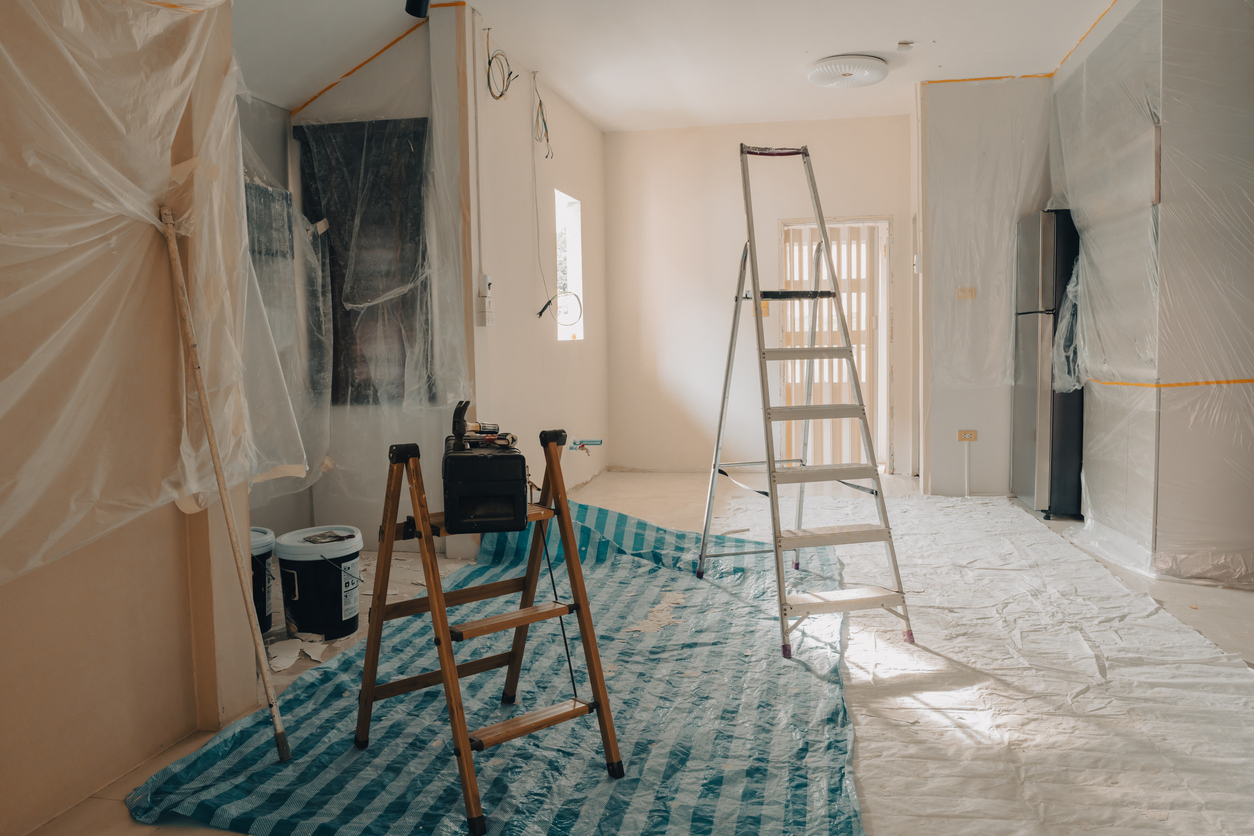
Imagine two neighboring homes succumb to the same fire. From the street, they look nearly identical. Both owners carry Santa Fe insurance, and both assume they’re covered. In this hypothetical, one of them learns that rebuilding will cost considerably more than the policy was designed to pay, because construction costs, building requirements, and the improvements made over the years have all increased while the dwelling limit on their policy has stayed put.
Most homeowners track their home’s market value closely. Unfortunately, far fewer revisit what it would actually cost to rebuild their structure after a covered loss — and those two numbers move for different reasons.
Don’t be one of those homeowners who never revisit their policy after signing up for one. Here’s a practical look at what drives replacement cost, why it drifts over time, and when reviewing it makes sense.
What Affects Rebuild Costs?
Replacement cost is the price of rebuilding your home with materials and workmanship of comparable kind and quality. Two houses with the same square footage can have very different rebuild costs, and the reasons usually lie in the details.
Local labor rates matter enormously, and skilled trades in northern New Mexico command a premium. Moreover, material costs shift with markets far outside your control. Custom architectural work — hand-troweled plaster, vigas and latillas, corbels, kiva fireplaces, custom windows in adobe walls — costs far more to reproduce than standard construction.
Renovations also can cause the number to climb: a remodeled kitchen with stone counters and custom cabinetry, a converted garage, upgraded flooring, or a casita added five years ago. Building codes evolve, too, and rebuilding today may require energy, electrical, or structural work that the original construction never included.
Regional conditions add pressure. Demand for housing is up in New Mexico, and that can send home prices soaring. Tight demand for builders and trades doesn’t just affect people building new homes. It affects anyone who needs a contractor after a loss.
How Much Does It Cost to Build a House in Santa Fe?
Builder cost guides for Santa Fe cite figures ranging from roughly $200 per square foot for value-conscious construction to $600 or more for custom work, with statewide averages coming in far lower than city-specific ones.
The spread reflects real differences in site conditions, design complexity, finishes, and access — and it’s exactly why a rule-of-thumb number is a poor foundation for an insurance limit. A replacement cost estimate built around your actual home beats any per-square-foot shortcut.
Market Value Isn’t Replacement Cost
Your home has several different “values” attached to it, and confusing them is what leaves people underinsured.
- Market value is what a buyer would pay for your property today. It includes the land, the location, the neighborhood, and the current demand.
- Assessed value is the county’s figure for property tax purposes, which often does not reflect either market value or the cost to rebuild the home.
- Purchase price is simply what you paid on a particular day, however long ago that was.
- Replacement cost focuses not on the land value but what it costs to rebuild your home. What matters here is the labor, materials, and code compliance required to reconstruct the structure. That’s why a home can sell for well above its rebuild cost in a hot market — or well below it, which is the scenario that leaves owners underinsured without knowing it.
Working with a reputable New Mexico insurance agency gives you a way to test whether your dwelling limit still lines up with today’s rebuilding costs. Incidentally, a review doesn’t automatically mean changing your policy. Sometimes the answer is that your coverage is suitable.
When Coverage Deserves Review
A major renovation or room addition changes the structure itself. Upgraded finishes raise the cost of reproducing what you have. A rise in local construction costs affects every homeowner in the area at once, whether or not anything about the house has changed. So does a period of unusual demand for contractors, which is worth watching in a county already short on housing.
A review is also a chance to check the rest of the policy against your current situation. Dwelling limits get the most attention, but personal property coverage, liability protection, and additional living expense coverage all deserve a look. If rebuilding takes 14 months instead of six because contractors are booked solid, the coverage that pays for somewhere to live in the meantime becomes crucial.
Keeping Coverage Current
Remember our two hypothetical neighboring homes? Nothing separated them except whether the replacement cost estimate on file reflected reality. That’s not a dramatic difference on paper, but it’s a huge one after a fire.
Homeowners insurance should evolve alongside the home, local rebuilding costs, and current building requirements. A dwelling limit set at closing and never revisited describes a house that no longer exists in a market that no longer exists.
Review your replacement cost estimate periodically, and the entire policy alongside it, so your Santa Fe insurance reflects today’s rebuilding realities rather than assumptions from years ago.
About Daniels Insurance
At Daniels Insurance, Inc., we have a unique understanding of the risks that businesses like yours face on a regular basis. With the backing of our comprehensive coverages and our dedication to customer service and quick claims resolution, your business will be fully protected. For more information, contact us today at (855) 565-7616.