
Oil and Gas Insurance Considerations for Used Oil Haulers in NM
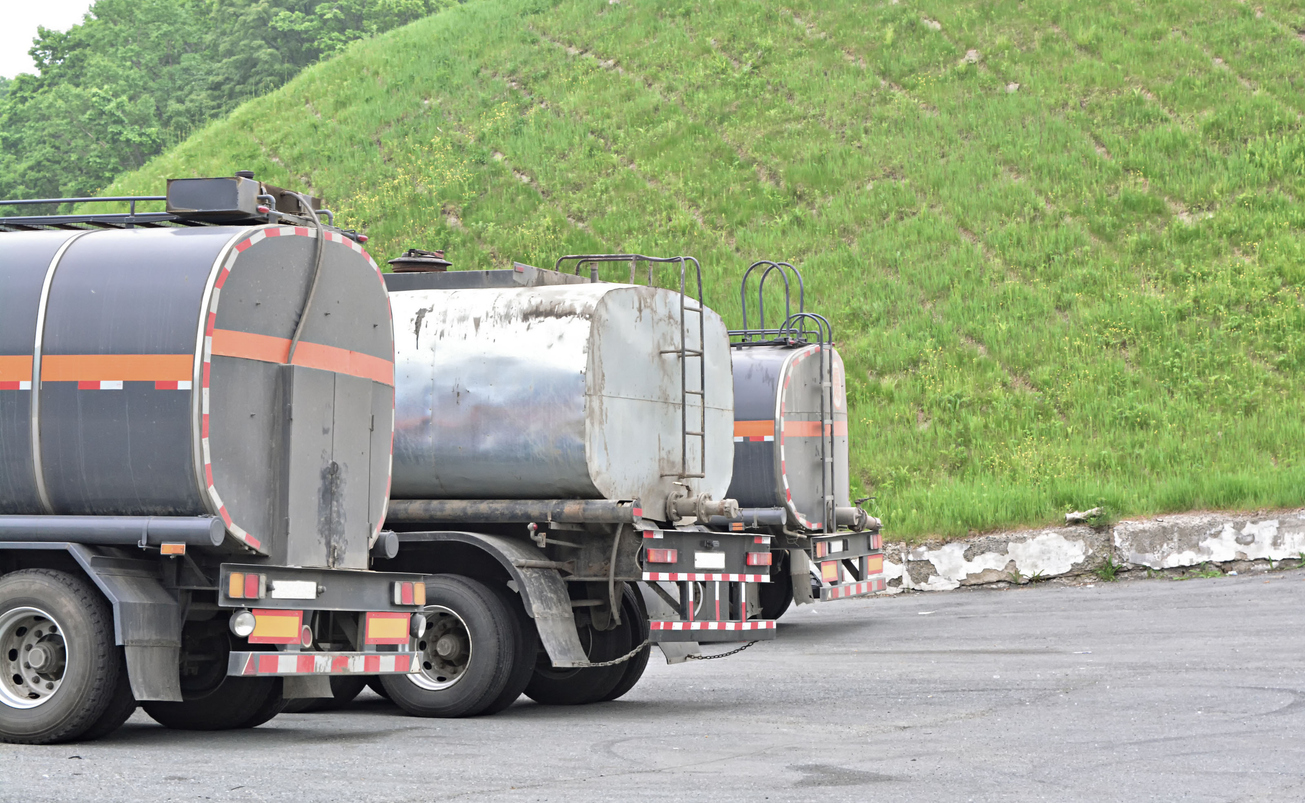
Used oil haulers may assume that if they already carry commercial auto or general business insurance, they have everything they need. In reality, New Mexico oil and gas insurance often involves additional coverage considerations. Hauling used oil introduces environmental and operational risks that standard policies may not fully address.
So, what NM oil and gas insurance does a used oil hauling business actually need? It depends on the specific risks of your operation — what you haul, where you haul it, who you haul it for, and what you agreed to in the contract. Understanding those risks before a claim occurs puts you in a far better position than discovering a gap afterward.
New Mexico Oil and Gas Risks to Know
Used oil hauling looks like trucking from the outside, and much of it is. But the cargo changes the math. A load of dry goods that ends up on the shoulder of U.S. 285 creates a cleanup bill. A load of used oil in the same spot creates a cleanup bill plus a possible environmental claim, third-party property damage, regulatory attention, and a contract dispute with the customer whose material you were carrying.
That risk plays out against a heavily regulated backdrop. New Mexico oil and gas operations reported more than 38,000 spills last year, according to state filing data reported by KUNM — a figure that covers the industry broadly, not haulers specifically, but it describes the environment your trucks operate in. Under the Oil and Gas Act of 1935, the Oil Conservation Division holds jurisdiction over spill prevention and waste disposal statewide, giving regulators a direct interest in how used oil moves once it leaves your terminal.
Exposure follows the material through every stage of the job — a pump failure during loading, a valve left open, a rollover in transit, a hose that fails at a customer’s shop — and each may implicate a different part of your insurance program. Working on customer premises adds another layer, since damage you cause there can trigger contractual obligations you signed months ago and haven’t reread since.
Matching Coverage to Operations
A strong insurance program isn’t just a list of policies. It’s a set of coverages built to work together — overlapping where your risks overlap, and handing off cleanly to one another where they don’t.
- Commercial auto liability: Responds to losses involving the truck and the driver — the foundation of any hauling operation’s program
- General liability. Covers third-party bodily injury and property damage arising from your operations, apart from the vehicles themselves
- Environmental or pollution liability: Addresses contamination losses that auto and general liability policies commonly exclude
- Workers’ compensation: Covers employee injury, which matters in work involving heavy hoses, confined loading areas, and long highway hours
- Umbrella liability: Provides additional limits above your underlying policies, important when a single incident is large enough to exhaust one
The right combination depends on your particulars: fleet size, whether you haul used oil alone or a mix of materials, how far your routes run, what your customers require in writing, and how much of the work happens on someone else’s property.
When Coverage Should Change
Insurance should evolve alongside the business. Expanding into a new service territory changes your exposure. So does adding trucks, hiring drivers, buying a vacuum unit or a new tank trailer, taking on a different material stream, or signing a contract with insurance requirements stricter than your current limits.
Treat periodic reviews as gap-finding exercises. Walking through your operations with an agent who knows the industry and can help locate mismatches, such as a limit that hasn’t moved since you ran half as many trucks or a pollution policy that covers transit but not customer sites.
Keeping Protection Up to Date
Used oil hauling combines transportation risk, environmental risk, contractual risk, and ordinary operational risk into a single business. Those exposures shift as the company grows, and coverage written for the operation you ran three years ago may not answer for the one you run now.
Review your New Mexico oil and gas insurance on a regular schedule, and again after any significant change: new equipment, new territory, new material, new contracts, or new headcount. Coverage that reflects your current operations is the difference between a claim that gets handled and a loss you absorb yourself.
About Daniels Insurance
At Daniels Insurance, Inc., we have a unique understanding of the risks that businesses like yours face on a regular basis. With the backing of our comprehensive coverages and our dedication to customer service and quick claims resolution, your business will be fully protected. For more information, contact us today at (855) 565-7616.