5 Common Commercial Property Coverage Gaps Most Businesses Miss in the New Year
The start of a new year often brings budget reviews, operational planning, and strategic goal-setting for businesses. Insurance coverage, meanwhile, is frequently left on autopilot. That’s risky. Even well-insured businesses can encounter losses if key gaps in their commercial property insurance go unnoticed.
What are the most common commercial property insurance coverage gaps? They can be hard to spot. They emerge quietly, as operations change, property values rise, or risks evolve. The first quarter, when you’re likely mapping out your successful year, is an ideal time to identify these gaps before peak weather, construction, or revenue seasons arrive.
Why Commercial Property Coverage Gaps Are So Easy To Miss
Commercial property coverage gaps often develop during routine renewals. Cost pressures can encourage minimal changes, while “set it and forget it” policies remain in place year after year. Over time, those policies may no longer reflect how a property is actually used.
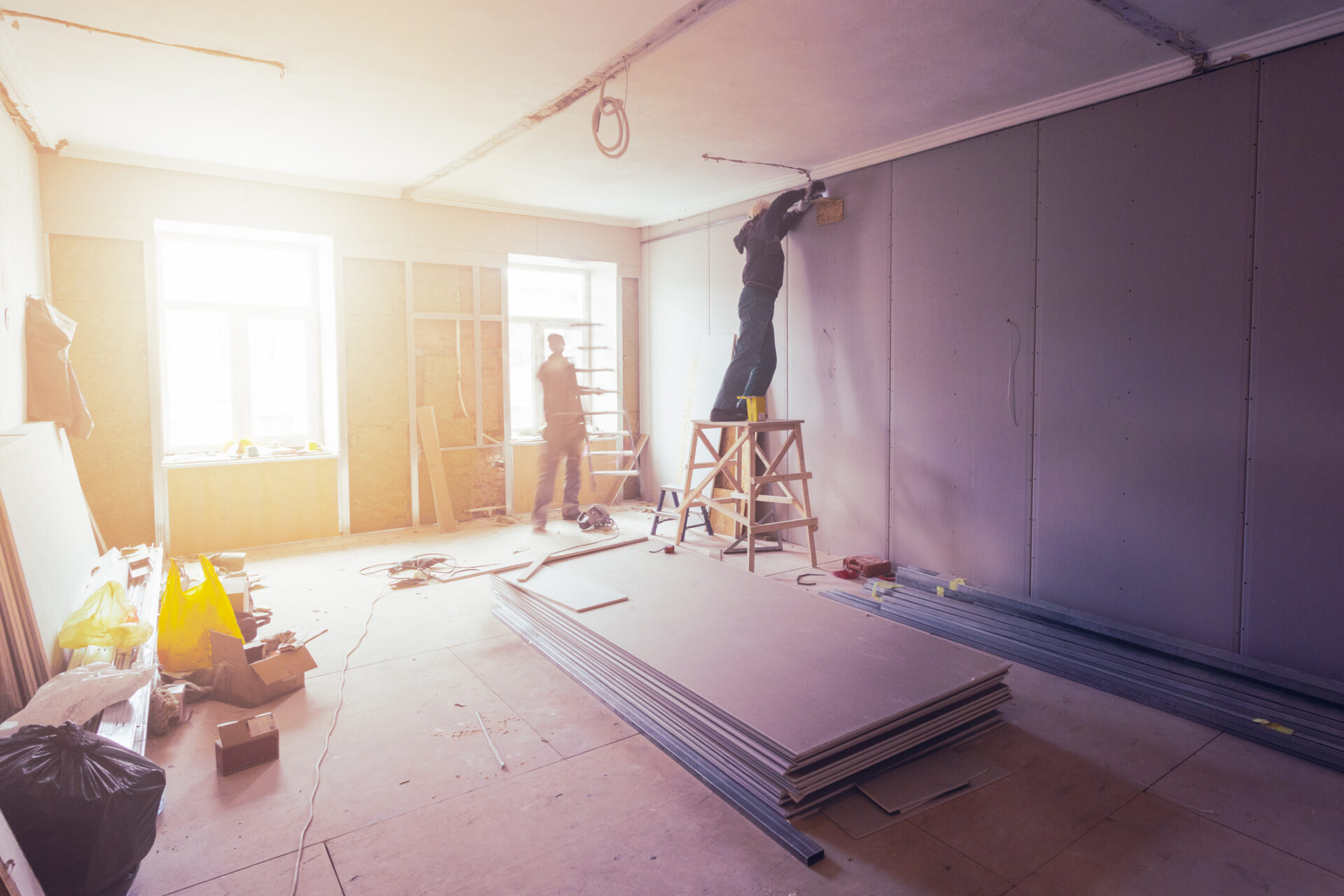
Renovations, new equipment purchases, expanded operations, or tenant improvements can all change property exposure. If those updates aren’t reflected in coverage, businesses may be underinsured without realizing it.
Another common misconception is that having a commercial property policy automatically means full protection. It’s easy to forget, but coverage responds only to insured causes of loss, listed values, and defined limits. If something occurs that you aren’t actually covered for, uncovered losses can follow.
5 Commercial Property Insurance Gaps Businesses Commonly Overlook
Gaps often vary by industry, location, and property type in New Mexico. Several coverage gaps consistently surface after a loss occurs. Five of the most common include:
- Undervaluation
- Business interruption limits
- Ordinance or law coverage
- Tenant improvements
- Excluded perils
FAQ About Commercial Property Insurance Claims
When you’re filing a claim, if things don’t go well and you discover your policy falls short when making a payout, you’ll have questions — maybe lots of them.
Why isn’t my insurance payout covering rebuilding expenses?
That would be due to undervaluation. Property values may lag behind replacement costs, especially after construction cost increases or upgrades.
Will my payout make up for lost sales while my business is shut down?
It will, if your policy includes business interruption insurance. If not, your policy may not reflect how long it would realistically take to restore operations, particularly if specialized equipment or permits are required.
Why isn’t the payout for my claim paying for extra safety features?
You may not have ordinance or law coverage. That pays for extra costs incurred if the law insists you pay for damaged property to meet current, stricter building codes standards or laws that standard policies don’t always include. If you have an older building, you’ll want to pay particular attention to this.
My tenant made some approved changes to the building — will my payout cover those?
Yes, if your policy includes tenant improvements. These can also fall through the cracks if responsibility for coverage isn’t clearly defined.
Will my policy pay for the damage done in a natural disaster?
Not if your policy considers the natural disaster in the category of “excluded perils.” Flood, earthquake, or other location-specific risks may require separate policies or endorsements, especially in parts of New Mexico.
How a Q1 Commercial Property Insurance Review Can Reduce Risk
A Q1 review allows businesses to step back and evaluate what has changed. Reviewing property values, recent improvements, equipment additions, and operational shifts helps align coverage with reality.
Business insurance is also simply part of the cost of doing business. It may be required by law, depending on your industry, and if you have commercial property insurance, it simply makes good business sense to make sure you’re getting the most out of it. That’s why working with a local advisor who understands regional risks can add significant value. Rather than conducting a full audit, businesses can approach the review with a checklist mindset focused on updates and changes.
Proactive reviews can also help control and lower costs. Identifying gaps early reduces the likelihood of large, uncovered losses later.
Start the Year With Stronger Commercial Property Protection
Coverage gaps that go unnoticed can lead to significant financial disruption and delayed recovery after a loss. Identifying those gaps early allows businesses to strengthen protection before risk increases.
Tailored commercial property insurance should reflect how a business operates today, not how it operated years ago. Considering a review? Want to avoid someday finding out you are underinsured? Partner with a knowledgeable advisor at Daniels Insurance, and take a proactive approach to property risk.
About Daniels Insurance
At Daniels Insurance, Inc., we have a unique understanding of the risks that businesses like yours face on a regular basis. With the backing of our comprehensive coverages and our dedication to customer service and quick claims resolution, your business will be fully protected. For more information, contact us today at (855) 565-7616.