
Liability Insurance for Contractors: Are Construction Risks Fully Covered?
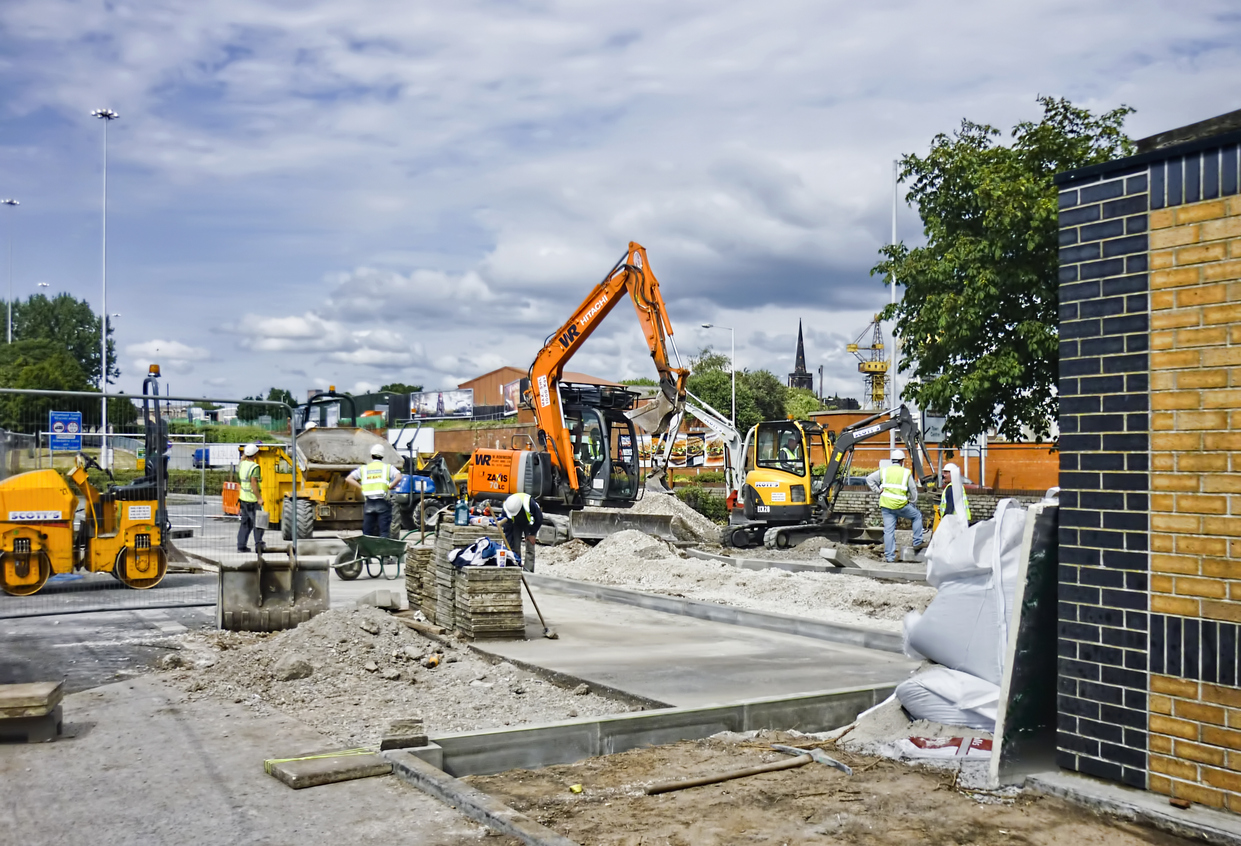
Construction contractors work in environments where even small incidents can lead to significant financial consequences. A damaged vehicle, a visitor injured at a jobsite, or accidental property damage can quickly escalate into a costly claim. That’s why construction insurance is such an important safety net.
Many contractors assume that a standard liability policy will handle these situations. Alas, typically, no. The protection a business needs often extends far beyond the type of insurance your average consumer will get. Effective construction insurance is a strategic protection plan that reflects the contractor’s project scope, subcontractor relationships, and contractual obligations.
That leads to an important question for all contractors: Are your construction risks fully covered, or only partially protected?
What Does Contractors Liability Insurance Cover?
Most contractors begin their protection strategy with commercial general liability (CGL) insurance. This foundational form of construction insurance addresses several common jobsite exposures.
Typically, contractors liability insurance covers:
- Bodily injury to third parties, such as a visitor who slips on a jobsite hazard
- Property damage caused by operations, including accidental damage to a client’s building or nearby property
- Legal defense costs associated with covered claims or lawsuits
For example, if a contractor’s equipment accidentally damages a neighboring structure during a renovation project, general liability coverage may help pay for repairs and legal expenses.
However, general liability only addresses certain categories of risk. It does not automatically account for every exposure tied to modern construction projects, contractual requirements, or specialized work.
Are Your Construction Risks Fully Covered?
In many cases, the answer is no, especially when contract requirements exceed standard policy terms.
Construction contracts often include detailed insurance provisions that shift risk between project stakeholders. These provisions may require:
- Additional insured endorsements
- Waivers of subrogation
- Higher liability limits
- Broad indemnification agreements
If a contractor signs a project agreement without reviewing these provisions carefully, they may unknowingly assume risks their existing insurance doesn’t fully address.
For instance, a contract may require $2 million in liability coverage while the contractor’s policy only provides $1 million. In another scenario, subcontractor-caused damage might not fall clearly within the contractor’s coverage structure.
Because of these complexities, any contractor would benefit from consulting with Daniels Insurance for a review of project agreements alongside construction insurance policies. Confirming that your coverage aligns with contract obligations helps reduce the risk of costly coverage gaps.
Beyond General Liability Coverage
General liability coverage forms the foundation of many construction insurance programs, but most contractors require additional protection to address the full scope of jobsite risks. Several complementary policies often play an important role.
- Property and materials protection: Builder’s risk insurance and inland marine coverage help protect building materials, tools, and equipment during transport or while stored at a jobsite.
- Catastrophic loss protection: Excess liability policies provide additional limits beyond primary liability coverage when large claims occur.
- Specialized exposures: Certain contractors may need pollution liability coverage for environmental risks or professional liability coverage when design-related services are involved.
- Operational requirements: Commercial auto insurance and workers’ compensation coverage help protect employees, vehicles, and business operations.
On larger or more complex construction projects, coordinated insurance programs such as owner-controlled insurance programs (OCIPs) or contractor-controlled insurance programs (CCIPs) may also streamline coverage and reduce gaps.
Contractors who want to reduce jobsite risks should also implement strong safety practices, including appropriate personal protective equipment, which will help minimize construction accidents.
Protect Your Business from Costly Coverage Gaps
Independent contractors face evolving risks on every project. That’s good, in the sense that the U.S. construction industry is thriving, most recently growing 5.6% annually.
But as building techniques change and contracts become more complex, your insurance coverage needs to keep evolving, too. A well-designed construction insurance program ensures that contractors meet project requirements, protect their finances, and maintain long-term business stability.
Before beginning the next project, contractors should ask themselves:
- Do my policy limits meet the insurance requirements in my contract?
- Are additional insured endorsements structured correctly?
- Should I add excess or specialized coverage to address jobsite risks?
Working with experienced advisors can help answer these questions and prevent costly surprises. Daniels Insurance specializes in helping contractors align their coverage with real-world construction risks and project obligations.
About Daniels Insurance
At Daniels Insurance, Inc., we have a unique understanding of the risks that businesses like yours face on a regular basis. With the backing of our comprehensive coverages and our dedication to customer service and quick claims resolution, your business will be fully protected. For more information, contact us today at (855) 565-7616.