
Is Your Oil Field Insurance Ready for Peak Activity in the Permian Basin?
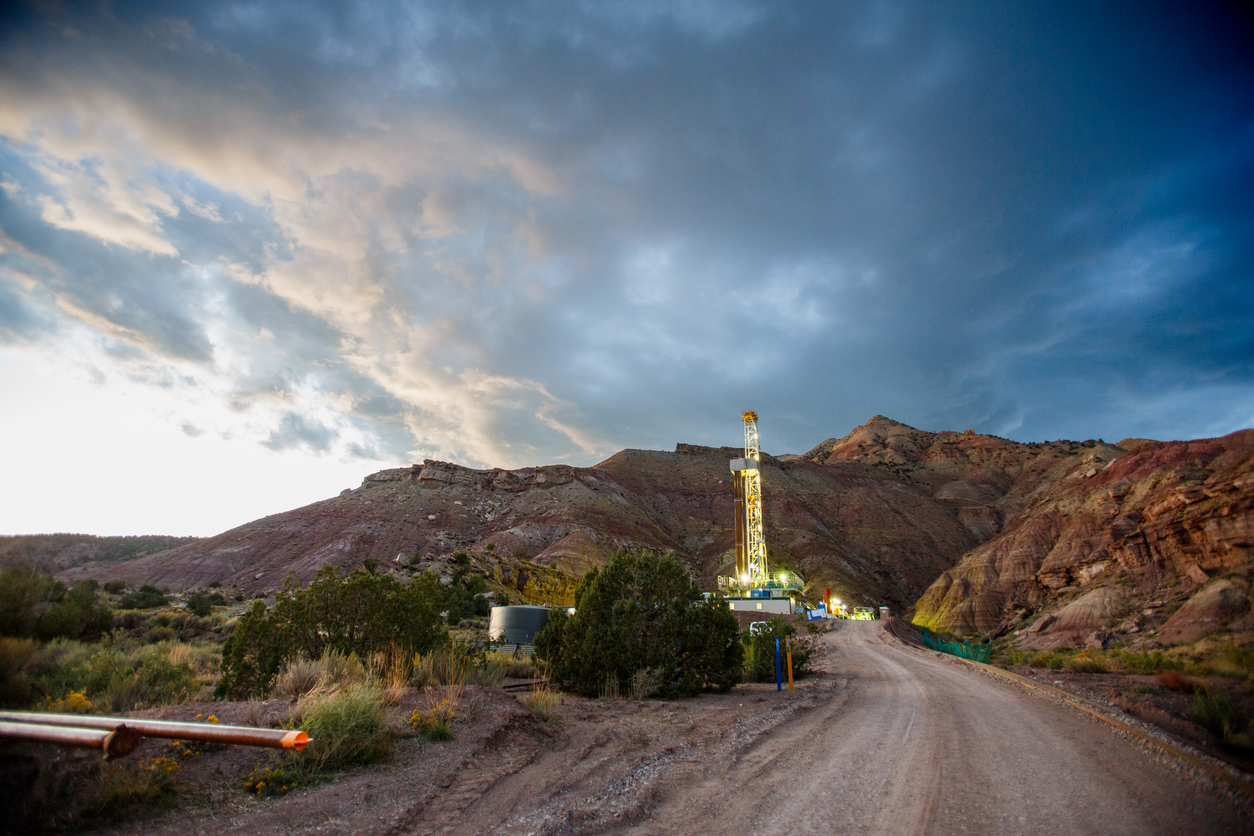
Is your New Mexico oil field insurance ready for peak activity in the Permian Basin? For operators across southeastern New Mexico, it’s a question worth answering before the busy season arrives.
New Mexico ranks among the top oil and natural gas producers in the country, and the Permian Basin now accounts for more than half of all U.S. crude oil output. Peak activity offers real opportunity but also heightens the risk for operators, contractors, and suppliers alike. More drilling, more trucking, and more crews in the field all raise the stakes. The sections below walk through the key coverages and readiness factors every oil and gas business should review right now.
Permian Basin Risks Are Intensifying
When activity climbs, so does exposure. Increased drilling, trucking, and field work raise the likelihood of high-severity incidents, including well control events, equipment failure, and environmental claims. Compressed timelines and expanded crews push operational risk higher still, especially if there’s rushed work and new workers involved.
Exposure also varies by operator type. Drilling contractors face well-related incidents. Oilfield truckers carry significant fleet exposures. Petroleum marketers deal with product and transit risks.
In fact, operators, contractors, and suppliers all see elevated exposure during peak cycles, making insurance readiness more than a compliance requirement. It becomes a competitive advantage, separating the businesses that can take on more work with confidence from those hoping nothing goes wrong.
Core Coverages for Peak Operations
A few foundational coverages should be in place before activity ramps up, each one responding to a different kind of incident:
- General liability and environmental or pollution liability respond when a third party is injured or when a release contaminates soil, groundwater, or a neighboring property.
- Control of well and downhole tool coverage addresses the high cost of regaining control of a well and the loss of expensive equipment downhole.
- Commercial auto liability covers oilfield trucking and hot shot exposures, which multiply as more loads move on tight schedules.
- Workers’ compensation responds to the high-risk labor demands of expanded peak-season crews, including newer hires working in unfamiliar conditions.
These coverages work best as a coordinated program, rather than a stack of fragmented policies. When limits are outdated or a piece is missing, a single incident can cut across several coverages at once. Reviewing the program as a whole is what prevents catastrophic losses.
Hidden Gaps in Growing Operations
New Mexico oil field insurance programs tend to fall short in predictable places as operations scale. But they often aren’t predictable unless you work in insurance and see these gaps all the time. For instance, heavier trucking activity deserves particular attention, as the road is where many oilfield losses originate.
Some of the other weak spots in the oil field industry include limits set against prior production levels, contracts that were never reviewed for risk transfer, and fleets or crews that grew faster than their insurance coverage.
A few red flags are worth watching for:
- New contracts signed without proper risk-transfer language in place
- Increased trucking activity running on auto limits that were never adjusted upward
- Additional subcontractors brought on without being accounted for in the coverage program
Peak periods also make specialized coverage even more necessary. Oil lease property and loss of production income, for instance, protect the revenue tied to a producing site. Policies covering executive protection lines, including directors and officers, employment practices liability, and cyber, all address risks that grow alongside a larger organization.
Surety bonds often come into play as new contracts are pursued. The trouble with all of these gaps, unfortunately, is timing: they usually surface only after a loss, when the option to fix them is gone.
Get Permian-Ready With Oil Field Insurance in NM
Peak activity calls for a proactive, updated insurance strategy that reflects how a business actually operates today, not how it operated a few seasons ago. Operators, contractors, and suppliers all benefit from a comprehensive oil field insurance program review before activity reaches its highest point.
About Daniels Insurance
At Daniels Insurance, Inc., we have a unique understanding of the risks that businesses like yours face on a regular basis. With the backing of our comprehensive coverages and our dedication to customer service and quick claims resolution, your business will be fully protected. For more information, contact us today at (855) 565-7616.