
Vacuum Truck Insurance: Coverage Considerations for Spills and Downtime
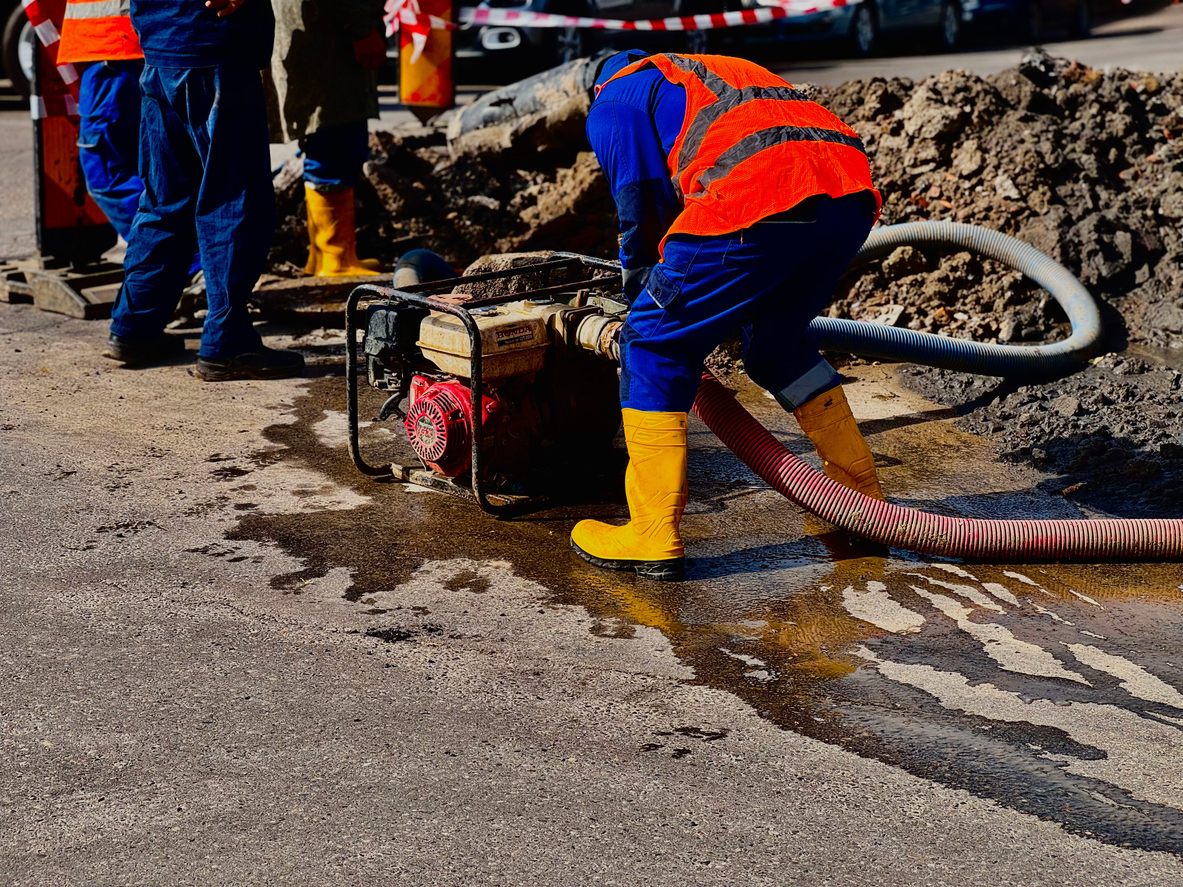
A vacuum truck crew finishes loading produced water. As the operator disconnects, a worn hose coupling fails. Fluid sprays across the pad, runs onto a neighboring property, and soaks a section of a landowner’s pasture. The company pulls the truck from service while it repairs the equipment and manages the cleanup, and the next day’s jobs go to another hauler. If you work in oil and gas insurance in New Mexico, you may be well-acquainted with such a scenario.
The hauler now faces several potential expenses: environmental cleanup, damage to the neighboring property, equipment repairs, and lost revenue from canceled jobs. Each raises a different insurance question, and coverage for one loss doesn’t guarantee coverage for the others.
For agents, the challenge is determining how the contractor’s existing policies address these exposures, particularly where commercial auto, pollution liability, equipment coverage, and business income protection may come into play.
What Can a Vacuum Truck Spill Trigger?
A spill can produce more than one type of loss. Depending on the circumstances, the same incident can lead to:
- Damage to the truck or equipment, such as a failed hose, coupling, or pump
- Third-party bodily injury or property damage, such as harm to a landowner’s property or a person nearby
- Contamination, when released material reaches soil or water
- Cleanup-related expenses, including the cost of responding to and remediating the release
The oil and gas industry presents its own insurance challenges, and the vacuum truck incident described earlier illustrates how quickly losses can add up. The failed coupling requires repair, the landowner’s pasture may need restoration, and the released fluid may require environmental cleanup. Meanwhile, the truck’s downtime means lost jobs and revenue.
Each expense raises a separate coverage question. Agents need to consider what caused the loss, what property was affected, and which policies may respond.
Regulatory obligations can add further complications. In New Mexico, transporting produced water, drilling fluids, or liquid oil field waste by motor vehicle from a lease or facility generally requires an approved Form C-133 from the Oil Conservation Division. The transporter must also keep a copy of the approved form in the vehicle.
Does Commercial Auto Address the Entire Loss?
Commercial auto liability forms a core part of Daniels’ oil and gas program. But a truck-related incident can create environmental and other liability exposures that extend beyond the basic auto liability question.
When a release or contamination exposure is involved, pollution liability becomes a separate consideration. Commercial auto policies may limit how they respond to pollution, and the answer can depend on whether the release happened while the truck was in transit, while it was loading or unloading, or while it was parked at a job site. That’s why Daniels offers environmental liability and pollution legal liability alongside commercial auto for oilfield truckers.
How any policy responds depends on its terms, the company’s operations, the materials it hauls, and the cause and circumstances of the release. Operators should review commercial auto and pollution coverage together, rather than ever assume one policy addresses the entire loss.
What Happens When the Truck Is Down?
For a vacuum truck operator, a truck out of service can mean missed jobs, idle drivers, rental or subcontracting costs, and strained customer relationships. Those consequences can hit quickly, even when the underlying incident seems minor.
It helps to separate the downtime itself from the coverage that may respond to its cause. Business interruption coverage may help replace lost income when a qualifying interruption follows a covered property loss.
The question for operators is: If this truck becomes unavailable, what part of my program, if any, addresses the resulting financial interruption? Asking that question before an incident leaves time to address any gaps.
Consider the Full Impact of a Spill
One vacuum truck incident can produce several insurance questions. Operators should consider vehicle-related losses, environmental exposures, and qualifying interruptions following covered property losses when reviewing their programs, especially after adding trucks, taking on new services, or expanding into new territories.
Want to know how your program would respond to a spill? Get in touch with Daniels Insurance to review your coverage.
About Daniels Insurance, Inc.
At Daniels Insurance, Inc., we have a unique understanding of the risks that businesses like yours face on a regular basis. With the backing of our comprehensive coverages and our dedication to customer service and quick claims resolution, your business will be fully protected. For more information, contact us today at (855) 565-7616.