Hospitality Insurance: Key Trends To Know in 2026
What hospitality insurance trends should operators watch for in 2026? After several turbulent years of recovery from pandemic-era disruptions, the hospitality industry has largely stabilized. Yet the risk landscape for hotels, resorts, and the like remains fraught with potential peril, making hospitality insurance more important than ever.
New exposures, particularly around cyber threats and evolving guest service models, are driving changes in how claims are filed, how premiums are priced, and which coverages are even available.
For hospitality businesses — which include not only hotels but also restaurants, event venues, and private clubs — the message is clear: Yesterday’s insurance program may not adequately respond to today’s exposures. Below are the key hospitality insurance trends shaping 2026 so far, along with what they mean for your risk, costs, and coverage decisions.
Cyber Risks Reshaping Hospitality Insurance
Cyber threats have moved to the top of the claims chart for hospitality insurers, and this year has been no exception. (Cybercrime currently costs the world about $10.5 trillion annually.) Hotels, restaurants, and resorts collect an enormous volume of guest data — names, addresses, payment cards, loyalty profiles, and even passport details — while running on interconnected booking platforms, property management systems, and point-of-sale networks.
That combination makes the industry an attractive target for cyberthieves. Two threats currently dominate the landscape:
- Ransomware attacks against booking and property management systems, which can shut down reservations and front-desk operations for days
- Point-of-sale breaches that quietly siphon credit card data over weeks or months
The fallout can extend well beyond a single claim. Operators face downtime, reputational damage, regulatory penalties, and the cost of guest notification and credit monitoring. Underwriters have responded by tightening cyber liability requirements, including mandatory multifactor authentication, endpoint detection, and documented incident response plans.
Cyber liability coverage and ongoing employee training are no longer optional add-ons — they are foundational pieces of a modern hospitality insurance program.
Valet Insurance and Guest Services
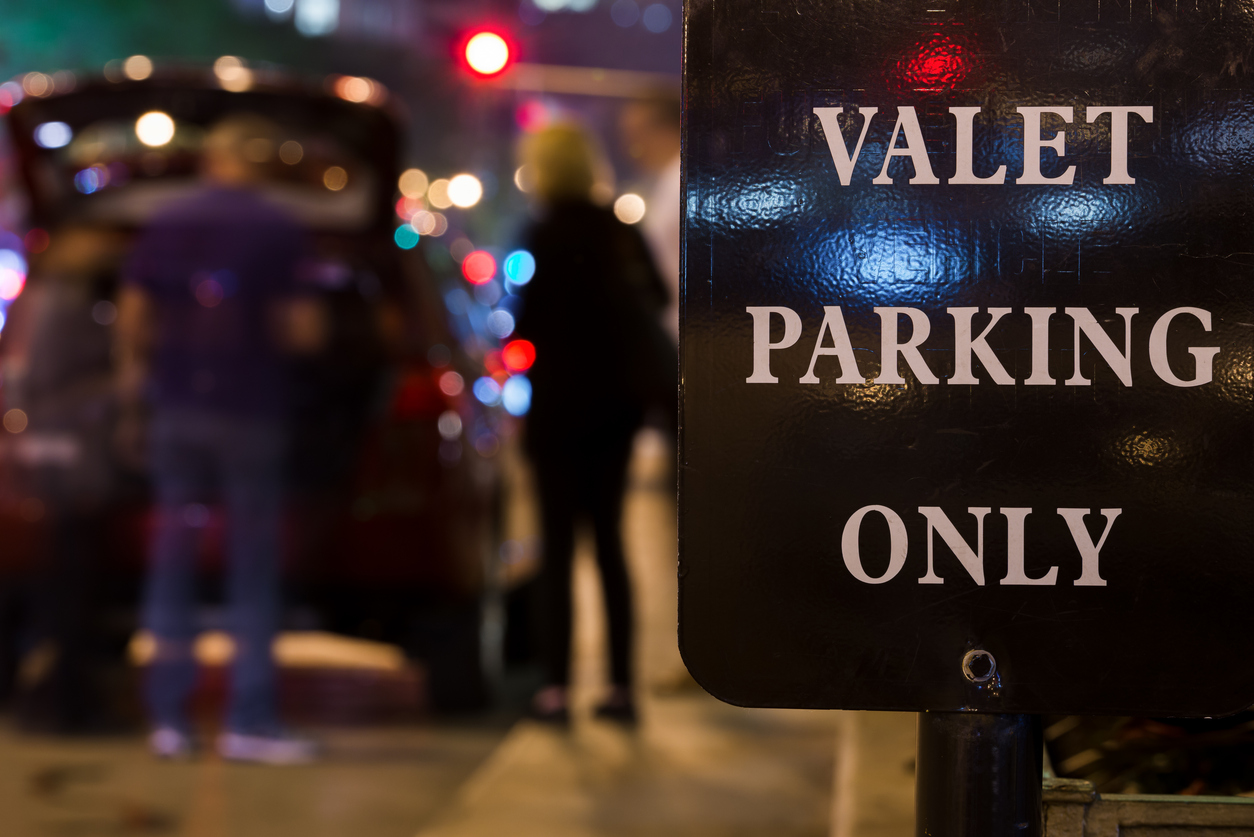
Premium guest services drive revenue and reviews, but they also expand liability. Valet operations are a good example of that. Whenever a hospitality business takes possession of a guest’s vehicle, it assumes responsibility for damage, theft, or loss while that vehicle is in its care, custody, and control.
Valet insurance is typically structured within a broader liability program rather than as a standalone policy, often through garagekeepers coverage or specific endorsements that respond to vehicle-related losses. In 2026 and beyond, two pressures will reshape this corner of the market:
- Average vehicle values continue to climb, meaning a single claim can quickly exhaust outdated limits.
- Underwriters are scrutinizing contractual risk transfer between operators and third-party valet providers more closely than ever — requiring clear indemnification language, additional insured status, and verified certificates of insurance.
Hospitality operators should review their valet insurance limits and contracts annually. A valet program written to 2019 vehicle values is almost certainly underinsured today.
Workforce Liability and Regulatory Shifts
Persistent labor shortages, evolving workplace expectations, and a patchwork of new state-level regulations continue to drive employment practices liability claims across hospitality.
Wage and hour disputes — particularly around tip credits, overtime calculations, and independent contractor classification — remain among the most frequent and expensive claims operators face. Harassment allegations and retaliation claims are also climbing, especially in tipped environments where power dynamics can create elevated risk.
These workforce exposures don’t exist in a vacuum. Operational risks like liquor liability and foodborne illness remain persistent concerns and should be reviewed alongside employment practices coverage. The same loss event — an over-served guest, a kitchen incident, a staff complaint — can trigger multiple lines of coverage at once.
In fact, the combined frequency and severity of these claims is reshaping underwriting. Carriers are asking more detailed questions about training programs, human resources documentation, and safety protocols before they offer terms. A modern hospitality insurance program needs to address employee-related and guest-related liabilities together, as a unified strategy.
What The Trends Mean for Operators in 2026
The trends above are interconnected, but the response to them can be broken into a few practical action steps:
- Audit cyber readiness. Confirm that your cyber liability limits reflect the actual volume of guest data you handle and the digital systems you depend on. Strong controls can also help control premium increases at renewal.
- Review valet contracts and limits. Ensure contractual risk-transfer language with third-party valet providers is up to date, and adjust limits to reflect today’s higher vehicle values. A single luxury vehicle claim can dwarf an outdated limit.
- Evaluate workforce coverage. Pair employment practices liability insurance with active safety, training, and loss-control programs. Documented prevention efforts reduce both claim frequency and the severity of those that do occur.
Each of these steps has a direct financial payoff. Proactive adjustments can lower claim severity, stabilize premiums, and help avoid the kind of coverage gaps that surface only after a loss. For property-related exposures, it’s also worth reviewing seasonal preparation. Every season has its challenges, from fire season in the summer to icy and freezing conditions in the winter.
Stay Ahead With Smart Hospitality Insurance
Hospitality insurance in 2026 is no longer a static, set-it-and-forget-it purchase. Cyber, valet, and workforce exposures are deeply interconnected and must be addressed together as part of a comprehensive, evolving strategy.
Operators who treat their insurance program as a strategic tool — reviewing limits, updating contracts, and investing in loss prevention — will be better positioned to control costs and protect their operations through whatever 2026 brings.
About Daniels Insurance
At Daniels Insurance, Inc., we have a unique understanding of the risks that businesses like yours face on a regular basis. With the backing of our comprehensive coverages and our dedication to customer service and quick claims resolution, your business will be fully protected. For more information, contact us today at (855) 565-7616.